Debunking Common Skylight Myths: Essential Knowledge for Every Homeowner
Many homeowners maintain false beliefs about skylights, commonly perceiving them as origins of trouble rather than benefits. Such misconceptions can result in reluctance when making informed decisions. To illustrate, concerns about leaks and temperature control commonly surface. Yet, knowing the reality behind these concerns can change perspectives. As the discussion unfolds, the true benefits of skylights might grow more evident, prompting homeowners to reconsider their position on this design important information element.
The Facts About Skylight Energy Efficiency
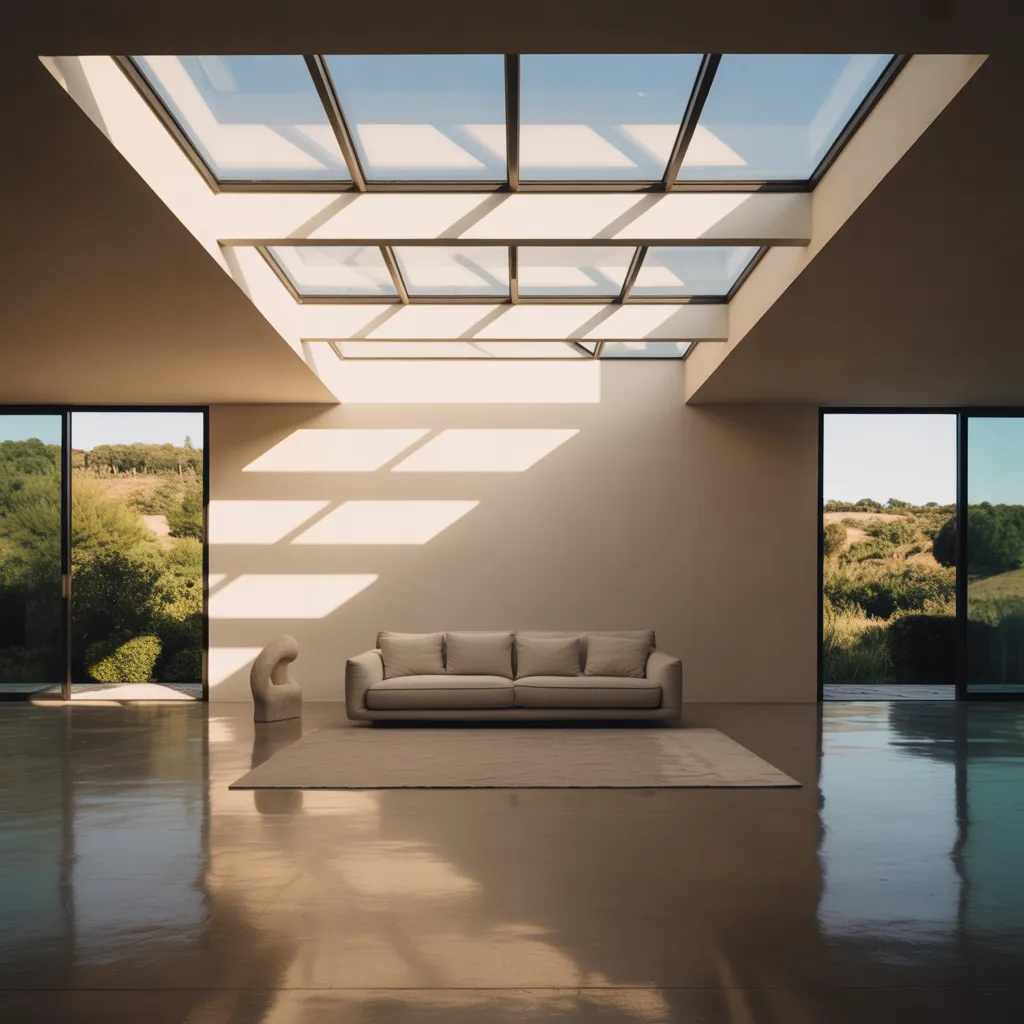
While many homeowners think that skylights could cause significant energy loss, studies reveal a more detailed reality. The performance of skylights largely depends on their materials, design, and installation position. Today's skylights commonly incorporate innovative glazing systems that limit heat transmission, notably boosting energy efficiency. Additionally, correctly positioned skylights can increase natural daylight, reducing the reliance on artificial lighting and possibly reducing electricity bills.
Research indicates that strategic placement of skylights can also promote better air circulation, which may lead to decreased energy needs for temperature regulation. However, it is essential for homeowners to select energy-efficient models and guarantee proper installation to maximize benefits. The misconception of skylights as energy drains can overshadow their potential advantages, making it critical for homeowners to gain insight into the technology behind modern designs and their impact on energy consumption in homes.
How Skylights Influence Your Home's Temperature
Skylights can greatly affect a home's temperature by allowing natural light, which may lead to increased heat gain during hotter periods of the year. However, when planned and fitted with energy efficiency in mind, they can also support better insulation and reduced energy costs. Understanding these dynamics is important for homeowners thinking about skylights as a means to enhance both comfort and energy performance.
Thermal Gain Considerations
Incorporating sunlight into a home can greatly influence its temperature dynamics. Skylight installations, while adding decorative value, can also lead to increased heat gain, particularly during summer months. Solar radiation passing through skylights can elevate indoor temperatures, especially if the units lack adequate glazing or insulation. Homeowners should consider the positioning and scale of skylights, as these aspects notably impact how much heat is retained. Skylights facing south tend to capture more sunlight throughout the day, potentially causing uncomfortable heat levels. To minimize undesirable heat accumulation, correct installation practices and shading measures, such as interior shades or blinds, are essential. Being aware of these thermal factors is important for homeowners seeking to harmonize natural light with indoor thermal comfort.
Benefits of Energy Efficiency
Natural light plays an essential role in boosting a home's overall energy efficiency. Properly installed skylights can substantially lower the need for artificial lighting, resulting in reduced energy use throughout the day. By allowing natural sunlight to penetrate interior spaces, skylights can aid in controlling interior temperatures. In colder months, they can capture sunlight to warm up living areas, while in warmer months, advanced glazing options minimize heat gain, keeping homes cooler. Additionally, well-placed skylights improve ventilation, allowing hot air to escape, additionally supporting a pleasant indoor environment. Homeowners who strategically integrate skylights into their design can experience lower utility bills and a more eco-friendly living environment. Consequently, skylights present a compelling solution for improved energy efficiency.
Are Skylights a Common Cause of Leaks?
While concerns about leaks are common among homeowners considering skylights, the right installation and upkeep can significantly reduce these problems. Skylights are often perceived as leak-prone due to their positioning on the roof, leaving them vulnerable to rain, snow, and various weather conditions. Yet, when skilled professionals follow manufacturer protocols during installation, the risk of leaks drops considerably. Superior flashing and sealant products are vital components that work together to block water from entering.
In addition, opting for the appropriate components for the skylight itself, such as high-quality acrylic or double-pane glass, can increase longevity and weather resistance. It is worth mentioning that ignoring basic upkeep responsibilities, like cleaning and inspecting seals, can cause issues over time. Consequently, while skylights can potentially cause leaks, informed choices and attention to installation details can largely prevent this risk for the majority of homeowners.
How to Maintain Your Skylight
Preserving a skylight necessitates routine care to secure its lifespan and maximum efficiency. Households should initiate their care regimen by inspecting the skylight for any signs of damage, such as fractures or water intrusion. Cleaning the glass periodically with a soft cloth and a non-harsh soap can help reduce residue formation that may block incoming sunlight. Furthermore, examining the trim and seals around the skylight is critical to verify they remain intact and effective against water intrusion.
It is also advisable to eliminate any debris, like leaves or branches, that could build up on the roof or surrounding the skylight. Confirming proper drainage will prevent water pooling, which can lead to potential leaks. Finally, scheduling a professional inspection every few years can help identify any underlying issues before they become significant problems, confirming the skylight continues to enhance the home's interior and energy efficiency.
Finding the Best Skylight Style for Your Home
How do homeowners go about choosing the skylight style that is most appropriate for their home? First, they should assess the architectural style of their home. Classic-style homes often work well with fixed skylights, while modern architecture may be better suited to tubular or vented selections. Furthermore, the function of the room should be carefully considered; for instance, a kitchen might require a vented skylight for ventilation, whereas a living room could focus on aesthetics with a fixed skylight.
Light control is another critical factor. Homeowners should evaluate their need for adjustable light levels, which is attainable through the use of operable skylights. Furthermore, regional climate factors come into play; areas with heavy rainfall may necessitate more durable, weather-resistant styles.
In the end, budget restrictions deserve careful attention. Residents should evaluate the costs of maintenance and installation against the benefits of various skylight styles, ensuring they choose an option that aligns with both their preferences and financial situation.
Top Reasons to Think About Installing Skylights
The installation of skylights delivers many compelling benefits that can improve any residence. They significantly boost natural light, producing a lighter and more appealing living space. This increase in sunlight can elevate mood and reduce reliance on artificial lighting, resulting in possible energy savings. Moreover, skylights can supply ventilation, permitting hot air to leave and cool air to move through, resulting in a more pleasant indoor atmosphere.
Moreover, they can improve the visual appeal of a home, adding architectural interest and boosting property value. Numerous homeowners recognize that skylights can make compact or dimly lit areas feel larger and more open.

Frequently Asked Questions
Can Skylights Boost My Home's Resale Value?
Skylights can enhance a home's resale value by increasing natural illumination and aesthetic appeal, creating an inviting atmosphere. Nevertheless, the true rise in value often relies on market trends, location, and buyer preferences.
Can Skylights Be Installed in Any Room?
Skylights may be added in a variety of rooms, including living areas, kitchens, and bathrooms. Nevertheless, elements such as structural support, roof pitch, and local building codes need to be evaluated for successful installation and functionality.
Do Skylights Exist That Are Made Specifically for Flat Roofs?
Indeed, there are skylights purpose-built for flat roofs. These units include a minimal-profile design and reliable drainage systems, providing efficient water management while improving natural lighting and architectural beauty in flat-roofed spaces.
How Can I Safely Clean My Skylight?
When cleaning a skylight safely, it is recommended to use a gentle cloth or sponge with a mild cleaning solution. Refrain from using harsh chemicals, and use a ladder or extending tools to safely access high areas.
What Is the Expected Lifespan of a Skylight?
The lifespan of a skylight usually spans 10 to 20 years, depending on materials, installation quality, and maintenance. Routine inspections can help prolong the lifespan and avoid problems like leaks or deterioration.